Oslo Leaders Align on Pitch for Attracting International Talent, Capital & Events
Over 80 senior executives representing Oslo’s business, academic and cultural institutions gathered at the Munch museum last week, in a first-of-its-kind meeting designed to explore ways to elevate the city’s international appeal.
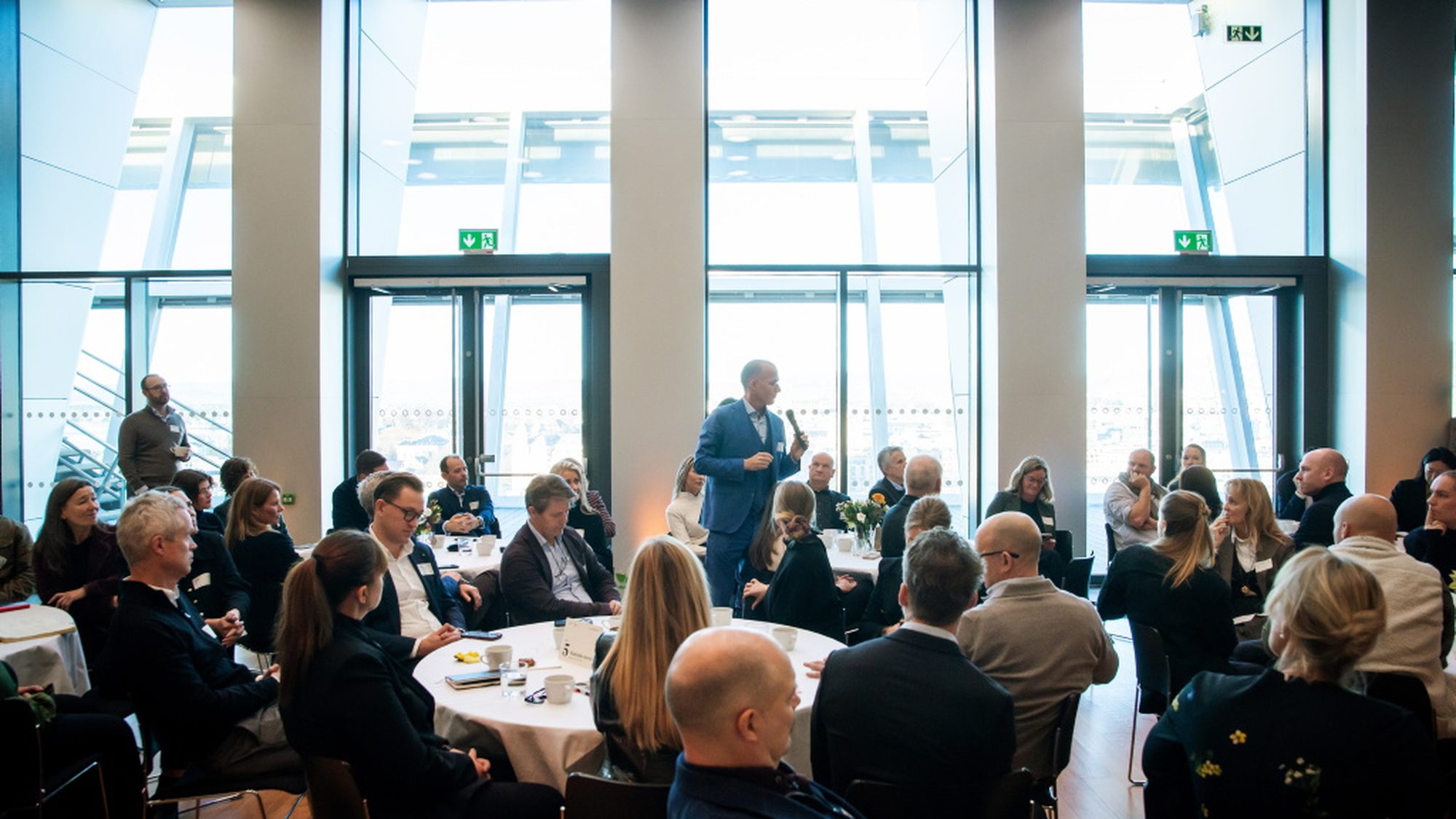
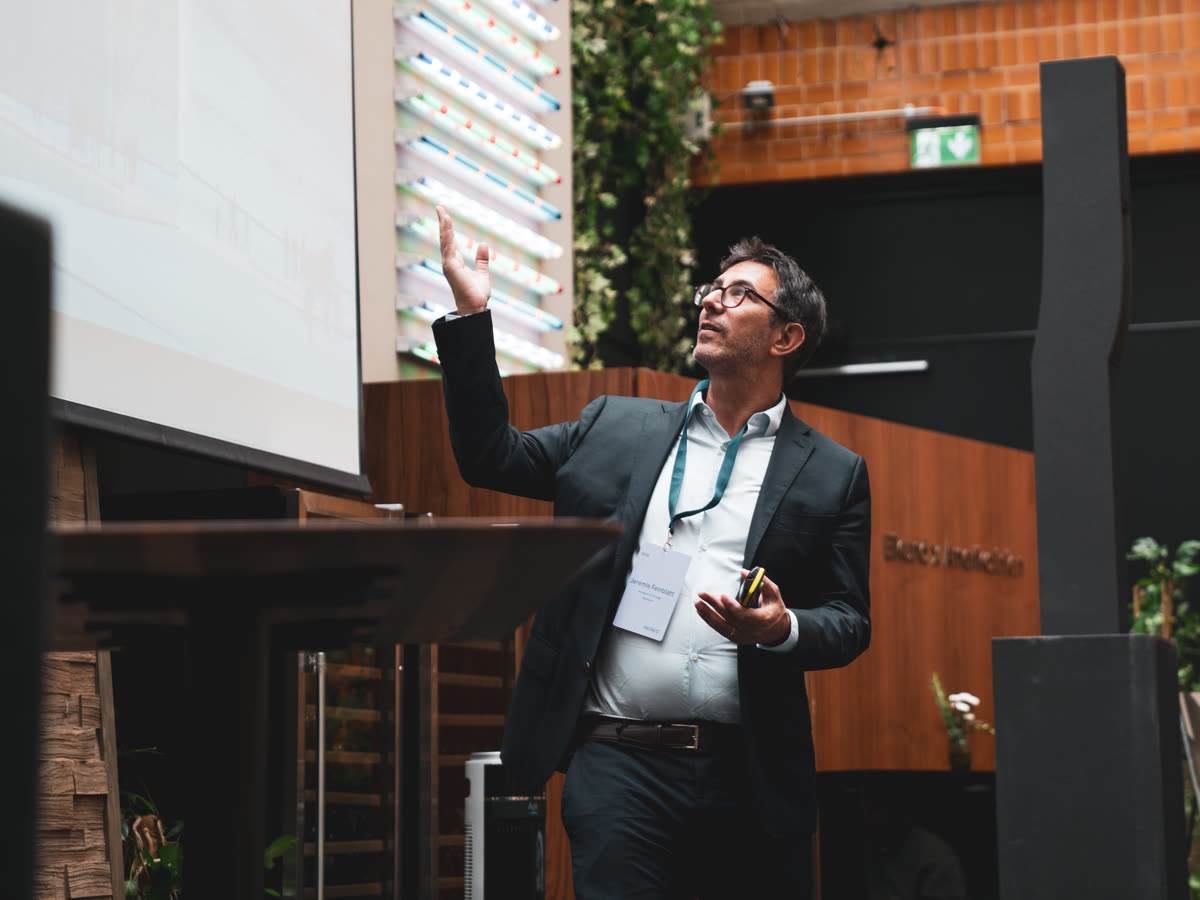
“There is a Norwegian cool,” DN CEO James Lamont told the audience in his keynote address, referring to how Norway and Oslo are viewed from abroad. The city has strengths that are well-recognised, he added, including press freedom, exciting tech companies and 1-in-3 residents with an international background.
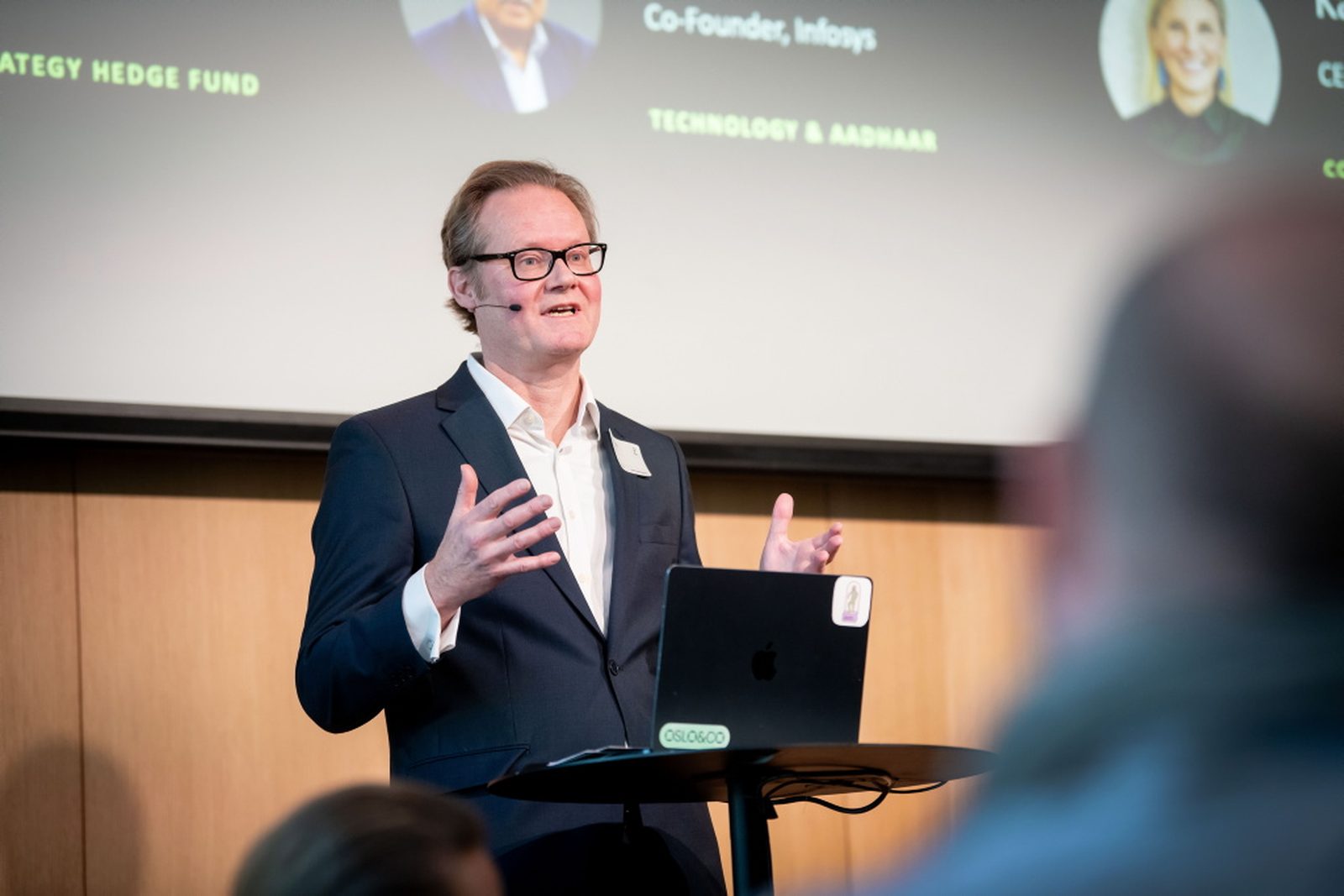
Oslo ranks 11th among European cities, according to a Resonance Consultancy survey conducted earlier this year, though the city lags when it comes to international “lovability.” The leadership forum, hosted by Vice Mayor for Culture, Sports and Business Mehmet Kaan Inan, is designed to bolster coordination between companies and across sectors on questions related to talent retention, attracting investors and landing more international events.
“The best ideas for Oslo are created when we meet,” Inan said. “If we are to strengthen the city’s competitiveness, attract more talent and create more jobs we must develop the city together.”
“It should be easy to set up a company and to get in touch with the city’s government,” he added.
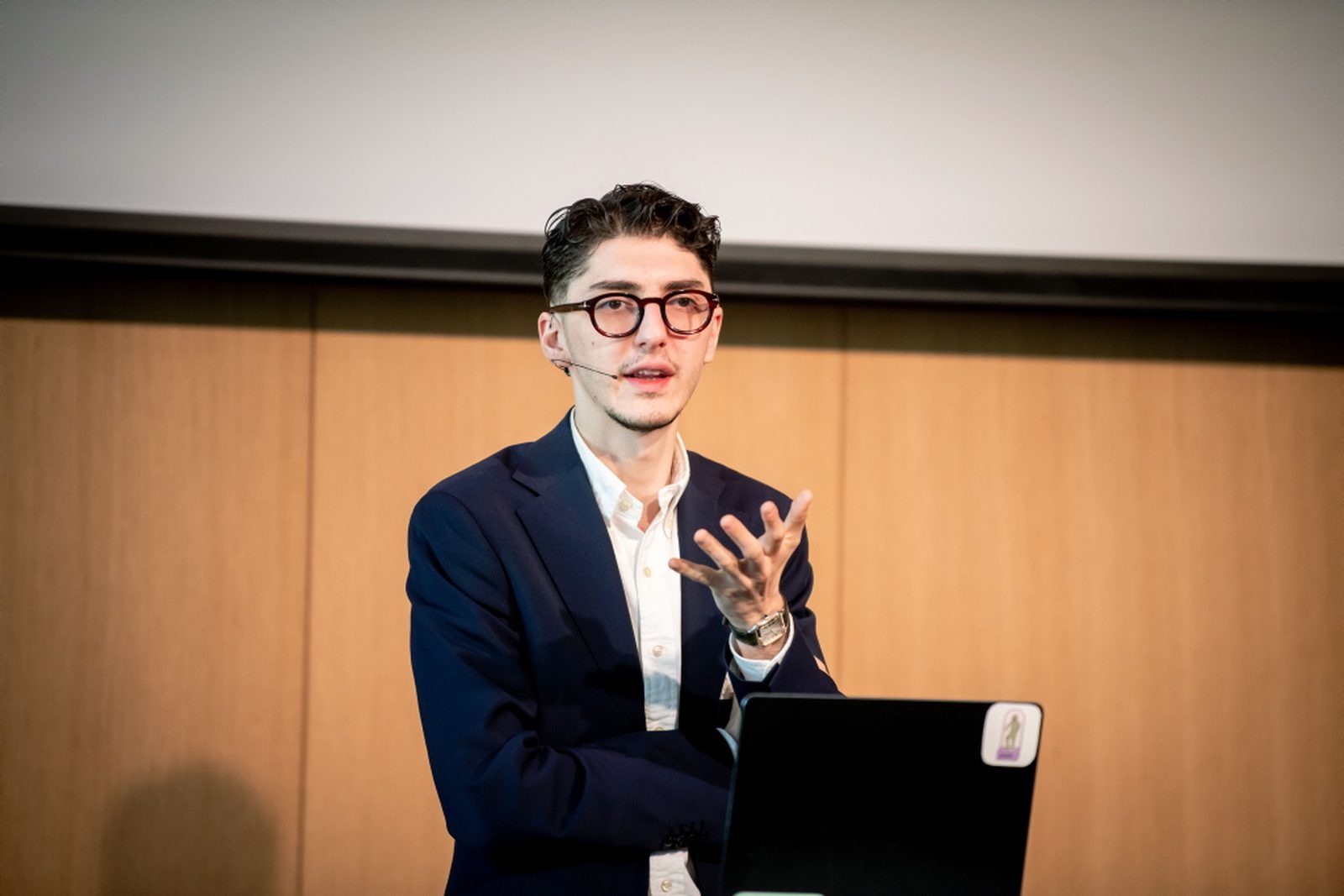
Lamont, who moved to Norway last year having spent much of his career in journalistic and leadership roles at the Financial Times, drew on the history of the newspaper he now manages. Founded in 1893, DN’s early mandate was to argue for better terms for sailors in order to reduce the talent drain from Norway. Today, its governance structures are on par with those of the Financial Times, Lamont said.
Events like the Telenor Summit, the Oil Fund’s annual conference, Oslo Ocean Days and the Atlantic Future Forum, which saw HMS Prince of Wales docked in the centre of the city, underscore the city’s ability to attract global events and leaders, he added.
“We have a business community that creates value for the city. We lead international rankings and attract attention, whether it’s rowing on Karl Johan or world-leading research. All of it helps show that we are a refreshingly different capital,” said Oslo&Co CEO Siw Andersen. “This is a strong starting point, and we can become even stronger as we build on it together.”
Following Lamont’s remarks, attendees gathered around tables to debate a handful of questions. Well-known characteristics of the city, like trust and established governance structures, were mentioned. As was the value of these traits in today’s world, given the rapid development of AI and other technologies. The need to present a unified and clear proposition to international actors was also raised.
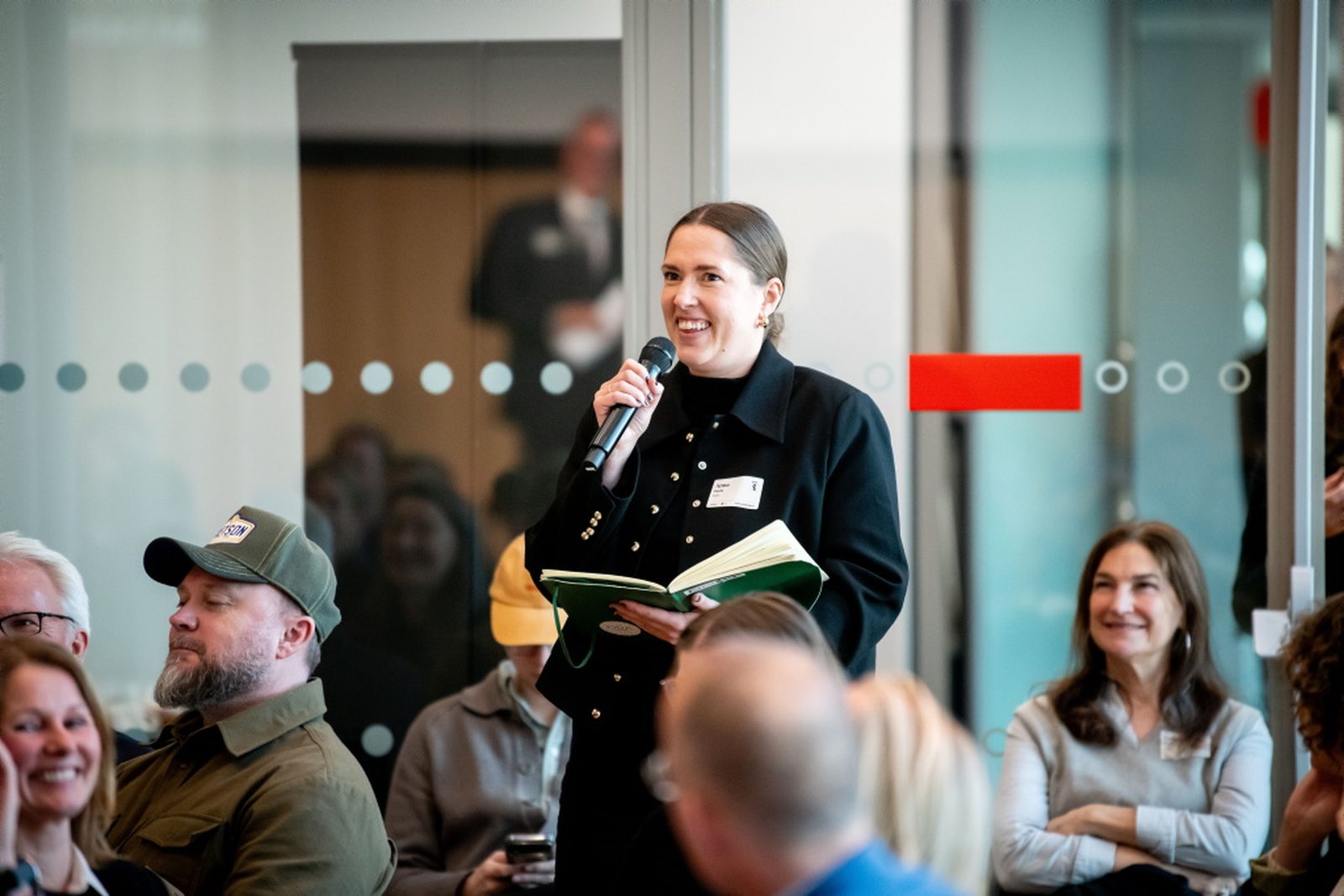
“If Anthropic comes to Oslo, who will they meet?” asked Anna Heide from Norwegian Alliance for Startups and Tech.
Oslo must compete “intentionally,” Lamont noted, with a clear proposition that sets out the city’s ambitions for a global audience.
And he posed the following question to the business leaders who filled the room:
London, New York and Hong Kong have global opportunity written into their code. What would put it into Oslo’s?
More from Oslo&Co
-
16 June 2026
Oslo is among Europe's best cities. Few know it. Now the city's key players unite behind one shared story.
Oslo ranks #11 among European cities but performs poorly on international “lovability”. Oslo&Co is now launching the narrative that will close the gap.
-
1 March 2026
A joint effort to strengthen Oslo’s international position
The initiative will give Oslo greater impact in the global competition for investment, talent, and visitors.
-
1 March 2026
Oslo Business Region becomes Oslo&Co
For many years, you have partnered with us to strengthen Oslo’s startup ecosystem and build the city’s intern…